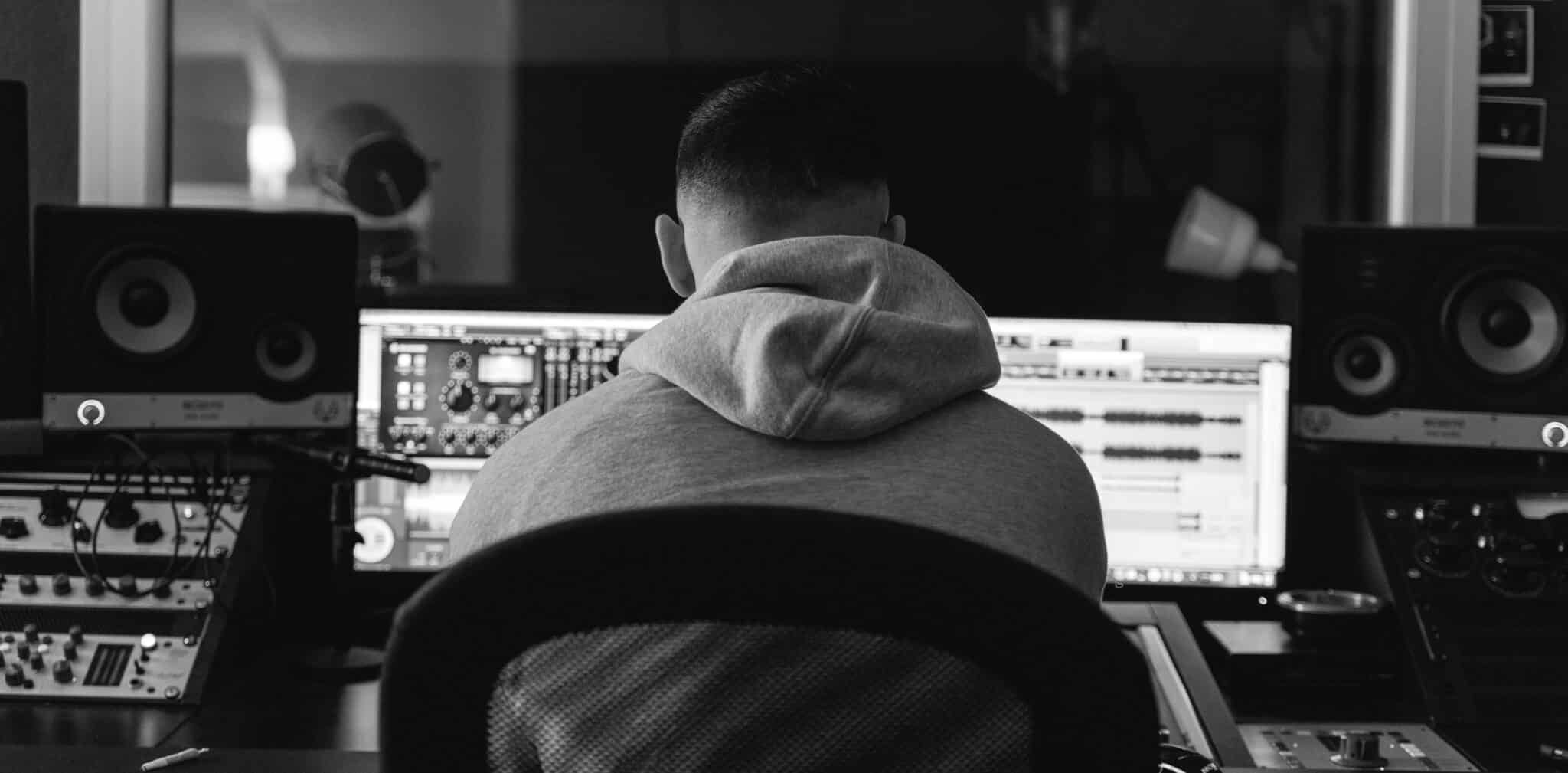
Post Production - Mixing and Sound Design for Film and TV
Post Production - Mixing and Sound Design for Film and TV | LIVE Online
Your Instructor: Herwig Maurer (a.k.a. Agent H)
Post Production - Mixing and Sound Design for Film and TV
36 Hours | $1099 + $100 Registration
Use the ‘CONNECT’ button below to request schedule information for our classes. One of our placement experts will follow up within a business day. For one-to-one lessons, see Mixing and Sound Design for Film and TV Private Instruction, and connect with a specialist on that page.
Introduction to Audio Post Production for Film & TV:
- →Understanding the role and importance of sound in film and television.
- →Overview of the sound post-production process.
Post Production Sound Theory and Terminology:
- →Understanding the different types of sound (dialogue, Foley, sound effects, music) and their roles
Case Studies and Analysis:
- →Analyzing and discussing sound design in famous film and TV scenes.
- →Learning from successful sound design projects.
Industry Tools and Software:
- →Familiarity with sound editing software like Pro Tools, Sound Miner, etc.
- →Using plugins and audio processing tools.
Dialogue Editing:
- →Cleaning and enhancing dialogue recordings.
- →Syncing dialogue with on-screen visuals.
- →ADR (Automated Dialogue Replacement)
Effect Editing Pt1:
- →Ambience and Atmosphere
- →Immersive soundscapes and environmental sounds
- →Balancing ambience with dialogue and music
Effect Editing Pt2:
- →Sound Effects and Sound Design
- →Using and building Sound libraries
- →“Hard EFX” vs Sound Design
- →Designing and manipulating sound effects to enhance the storytelling.
- →😎 Foley
- →Recording & Editing Foley
- →History of Foley
- →Creating and recording Foley sounds for adding realism and depth to the audio.
- →Syncing Foley with the visual action on screen
Music in Film & TV:
- →The role of music in creating emotional impact.
- →“Source” music versus Score
- →Collaborating with composers
Collaboration and Communication:
- →The Audio Post team – individual roles
- →Working effectively with directors, producers, and other team members
- →Understanding the creative vision and incorporating feedback
Sound Delivery and Format Considerations:
- →Preparing soundtracks for different distribution formats (theatrical, TV, streaming).
- →Complying with broadcast loudness standards.
Final Projects and Feedback:
- →Students work on their audio post projects.
- →Receiving feedback and guidance from instructors for improvement.
Houston is one of the newest campuses in the Garnish network, and the Post Production - Mixing and Sound Design for Film and TV here runs the way it does everywhere we teach: small groups, working producers as instructors, and a live-online option for anyone who cannot make it to the studio, using our specialist music collaboration software, Muse. Discover qualities that distinguish us, here.
What our students say.
“I just wanted to say THANK YOU so much for such an awesome experience. The classes Garnish offered and the final experience at Exchange LA was the push I needed to accelerate my new career and gave me confidence as a DJ.”
Matthew Naramore
Instructors


Questions we hear a lot.
Yes. You work to real film score briefs, including complying with broadcast loudness standards, and finish with your own project and feedback on it.
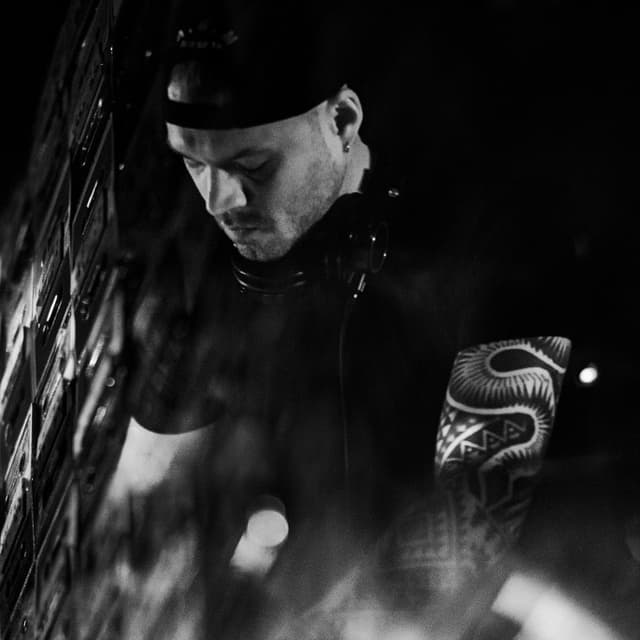
Herwig Maurer, also known as Agent H - a Berklee alumnus in sound production and engineering, who collaborated on an Academy Award-nominated film's audio and does sound design on Amazon's Reacher.
Yes. The Post Production - Mixing and Sound Design for Film and TV course can be taught one-to-one, in person in Houston or online, built around your own projects - ask admissions about private instruction.
The Post Production - Mixing and Sound Design for Film and TV course runs 36 hours. Tuition at Garnish Houston: 36 Hours - $1099 + $100 Registration.
Yes - live online, built for participation: weekly tasks that mirror real-world challenges, and three live playback sessions where you show your work.
36 Hours | $1099 + $100 Registration
Ready to get started?
InquireFiltering
How filters shape a sound - low-pass, band-pass, comb and notch - plus resonance, envelope control and using filters creatively in a mix.
Read →Filtering
There are many ways to access the power of filtering, but probably the easiest is to use a plug-in. Logic’s AutoFilter is a good example of Emagic’s…
Read →Modulation Effects
Beyond chorus and phasing: ring modulators, frequency shifters, Leslie cabinet simulation and auto-panners, and where each one belongs.
Read →Modulation
We have discussed the most common modulation effects such as chorus, flanging and phasing. Now it is time to investigate other modulation effects.
Read →Delay
From tape echoes to ping-pong delays: the parameters, how to match delay time to tempo, and using delay as a real mixing tool.
Read →Acoustics: The Basics
The diagram depicted below illustrates three of the more typical room shapes: square, rectangular and L-shaped rooms. The most favourable positioning of…
Read →