Mastering Class | Houston
Audio Mastering Course
Our Mastering Course is designed for today’s multi-genre modern engineer. While being completely focused on mastering “in-the-box” (in a computer), we provide you with the ability to achieve that commercial sound through the understanding of various analog circuits and effect processors. You will leave with a fully mastered track, and all the steps to continue improving and forwarding your abilities for years to come.
The techniques can be applied within any digital audio workstation, which learners are required to bring with them. Classes are available in-person or LIVE Online.
Introduction & Mixing Recap
- →Reference Tracks
- →Speakers & Headphones
- →Frequencies
- →Dynamic Processing
- →Effects
- →Critical Listening
Metering and Rendering
- →Gain Staging
- →Meters used in Mixing & Mastering
- →Mixing Groups
- →Rendering your Premaster
- →How to Prepare for Mastering
Introduction to Mastering
- →History of Mastering
- →Setting up a Mastering Session
- →Overview of Ozone & FabFilter Suite
- →Critical Listening
Mid/Side
- →What is Mid/Side
- →History of Mid/Side
- →Mid/Side Techniques
Maximizers
- →What is a Maximizer
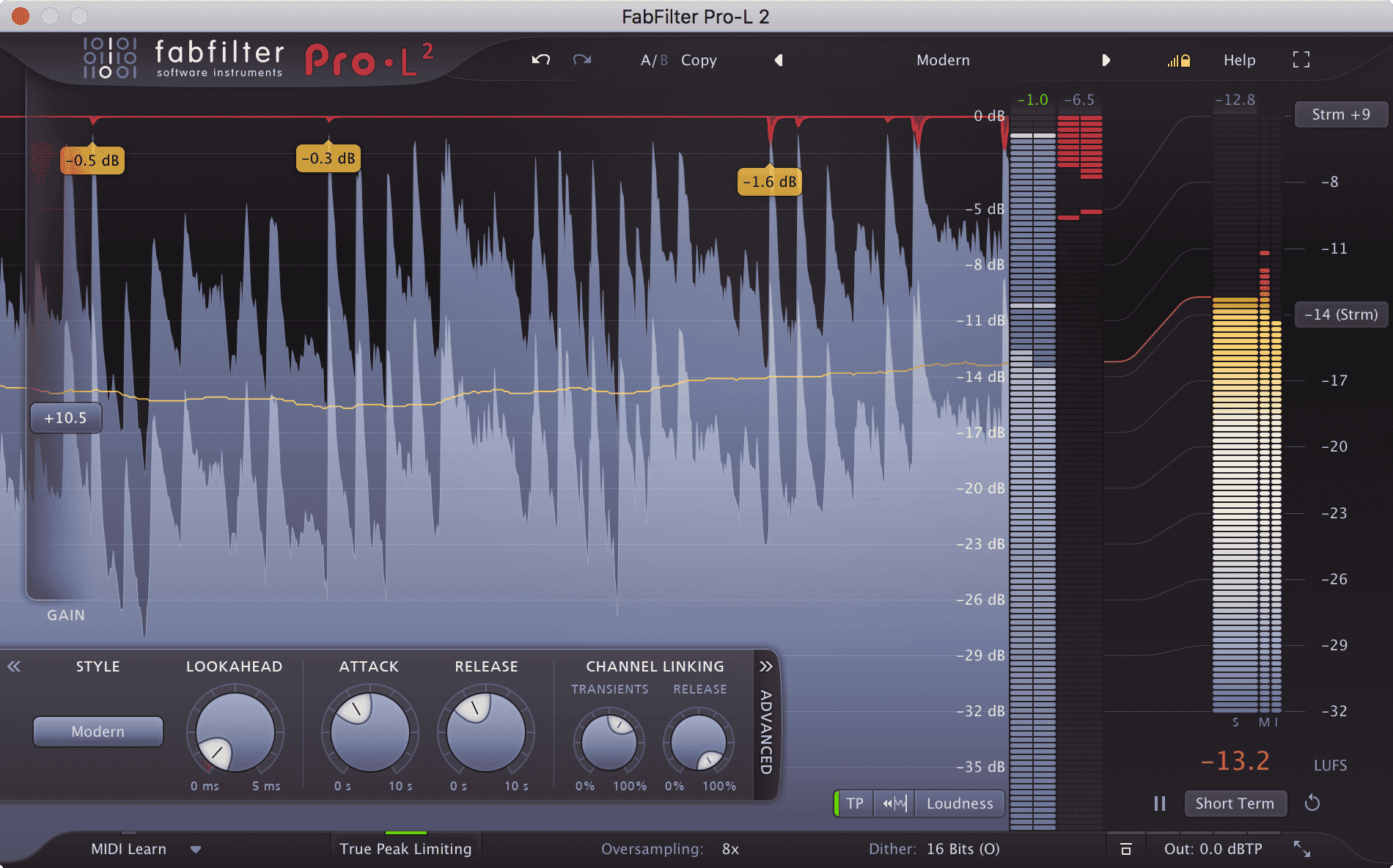
- →Ozone Maximizer & FabFilter Pro-L walk-through every function.
- →Practical Use
Creating A Mastering Chain
- →Creating an efficient Mastering Chain with Ozone & FabFilter
- →Step by Step Hands-on Instruction
- →In depth explanation of Modules & Signal Flow
Metering / Phase & Dithering Analysis / Stem Mastering
- →Meters used in Mastering
- →Phase & Dithering
- →Stem Mastering for Clients
Advanced Mastering
- →Expanding Your Mastering Chain
- →Using Virtual-Analog Signal Processors
Mastering for Streaming Audio & Broadcasting
- →Explanation & History
- →Modern Day Application
Referencing, Finalizing, Exporting
- →How to Reference
- →Finishing Up
- →Exporting
- →Group Critique
Houston is one of the newest campuses in the Garnish network, and the Mastering Class here runs the way it does everywhere we teach: small groups, working producers as instructors, and a live-online option for anyone who cannot make it to the studio, using our specialist music collaboration software, Muse. Discover qualities that distinguish us, here.
What our students say.
“Garnish mix classes helped me the strengthen and expand my knowledge in mixing and mastering techniques immensely. With Grammy-winning engineers, what more could you hope for?!”
Bernardo Passarinho
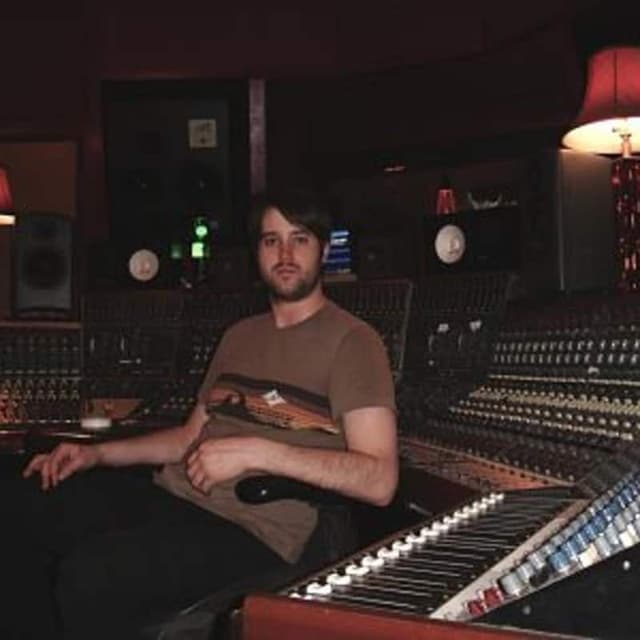
Instructors


Questions we hear a lot.
Yes - see Mastering Audio Private Instruction.
36 hours as a group course, or 20 hours 1-on-1.
Expanding your mastering chain, using virtual-analog signal processors, and mastering for streaming and broadcast.
Yes - group critique is part of the final referencing and exporting stage.
The course starts from a mixing recap and builds up through mastering fundamentals, so prior mastering experience isn't required.
Ozone and the FabFilter suite, including their maximizer and limiter tools, walked through function by function.
$1499 + $100 Registration if booked 14 days before start or $1799 + $200 Registration
Ready to get started?
InquireMastering
Mastering is a vital part of the recording process, so much so that a substantial amount of ‘mystery’ is associated with it. We’ve all heard stories of…
Read →Mastering
A full guide to mastering - what it is, how multi-band compressors work on the master buss, choosing crossover points and prepping tracks.
Read →Mixing Desk Basics
Now we have an environment that isn’t coloring what we hear we can start to look at how we can improve the mix itself.
Read →Mixing in Dolby Atmos
Not surround sound and not more speakers - a different way of describing where a sound is. Beds and objects, the room you probably do not have, why the loudness war was never possible in Atmos, what changes about mixing and what does not, and how to deliver it.
Read →The Vocoder
A Vocoder – name derived from voice coder, formerly also called Voder – is a speech analyser and synthesizer.
Read →Reverb
When we experience a sound we are not only hearing it from the direct source, but also from the environment in which it is situated (reflections from…
Read →