Electronic Music Production Class | Houston
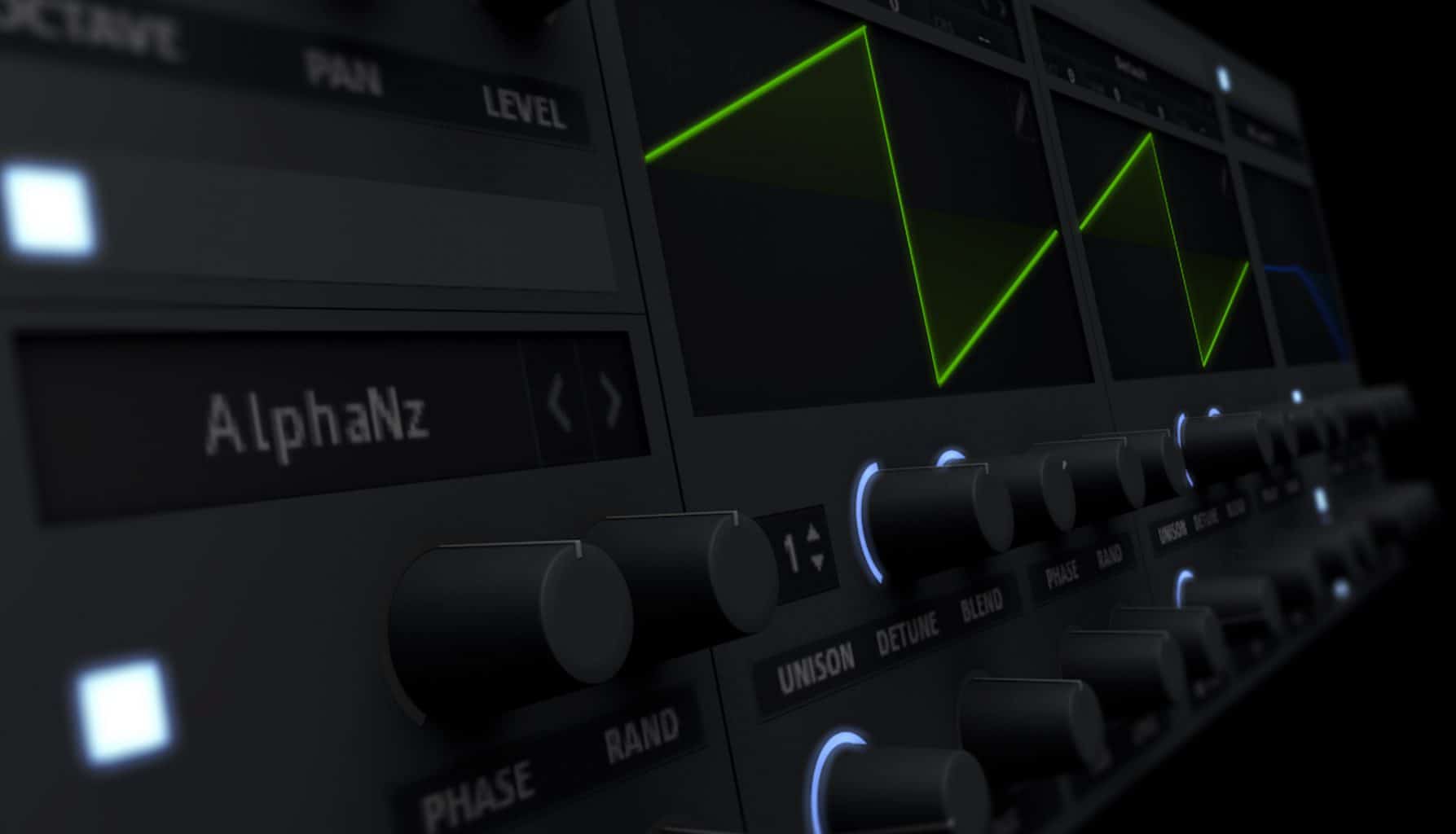
- →Advanced run-through of industry leading soft synths.
- →Drum programming in-depth.
- →A complete understanding of tones, processing, resampling and different effects.
- →Sound choice and genre production.
- →Arrangement techniques and components that create all parts of a song.
- →Course collaboration project - learning to work with other producers!
- →Business tips and Q&A.
- →Understanding Oscillators, Filters, Wavetables, Envelopes & LFOs.
- →Achieving analog tones with digital soft synths of today.
- →Creating pads, basses and drums using subtractive synthesis.
- →Arpeggiating and advanced subtractive techniques.
- →Synth side-chaining, internal routing, layering & tuning oscillators.
- →Modulation and automation.
- →Attaining club level sub-bass frequencies in your mixes.
- →Understanding the results of different tones and frequencies through the world of modulation.
- →Randomness & control.
- →Achieving distinctive sounds by looping cycles of audio.
- →FX and rising techniques.
- →One to one mentoring and guidance on your masterpiece
Electronic Music Production Course | Houston
- →Sound choice and genre production.
- →Arrangement techniques and components that create all parts of a song.
- →Course collaboration project - learning to work with other producers!
- →Business tips and Q&A.
- →Advanced run-through of industry leading soft synths.
- →Drum programming in-depth.
- →A complete understanding of tones, processing, resampling and different effects.
What our students say.
“I loved the small classes that made it easy to interact with the instructor and let you tailor the course to your needs and areas of improvement.”
Brazzabelle
Instructors


Questions we hear a lot.
Yes. The Electronic Music Production Class can be taught one-to-one, in person in Houston or online, built around your own projects - ask admissions about private instruction.
The Electronic Music Production Class runs 36 hours. Tuition at Garnish Houston: 36 Hours - In-Person: $1199 - 33% off for Online Remote Attendance.
An advanced run-through of industry-leading soft synths, drum programming in depth, tone, processing and resampling, sound choice for your genre, and the arrangement techniques that make a whole song.
Yes. The Electronic Music Production Class runs in person at Garnish Houston and live online in the same sessions, using our music collaboration software, Muse - you join whichever suits you.
Yes - the course closes with a collaboration project, learning to work with other producers the way records actually get made.
You should be comfortable in one already; this is about the music, not the software.
36 Hours | In-Person: $1199 | 33% off for Online Remote Attendance
Ready to get started?
InquireWhat Live Does and Does Not Change
Ableton publishes exactly which operations in Live are bit-transparent and which alter the audio. Some of it is surprising, and all of it is worth knowing before you argue about it online.
Read →Macro Synthesis with Meld
Meld is the latest addition to Ableton's Instruments and it features a novel design featuring two Macro Oscillators and lots of modulation possibilities…
Read →Playing Out: Soundcheck, Reading the Crowd and Going Back-to-Back
What goes in the bag, matching the last DJ's levels, reading a room, the backup playlist, stage presence, and the rules for going back-to-back.
Read →The Max for Live Utilities Worth Knowing
You do not need to open Max to use Max. Six bundled devices - Envelope Follower, LFO, Shaper, Expression Control, Note Echo and MPE Control - that do things Live cannot do otherwise.
Read →Link, Tempo Follower and MIDI Sync
Playing in time with other people, other software and other machines. Link over a network, Tempo Follower chasing a live drummer, and old-fashioned MIDI clock.
Read →CPU, Disk Load and Track Freeze
What is actually costing you, how to read the meters, and the three moves that fix nearly every performance problem.
Read →